
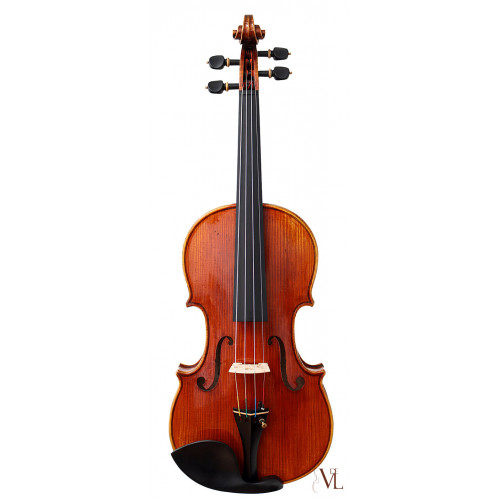
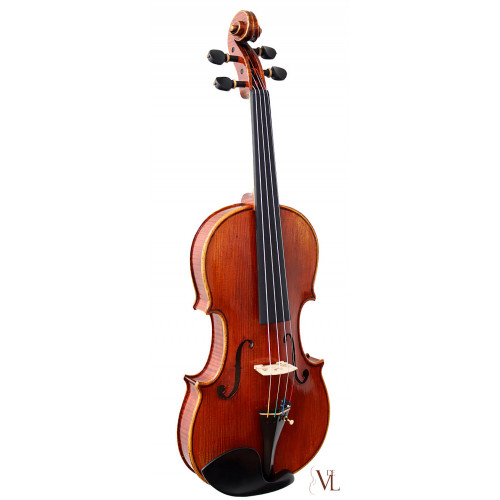
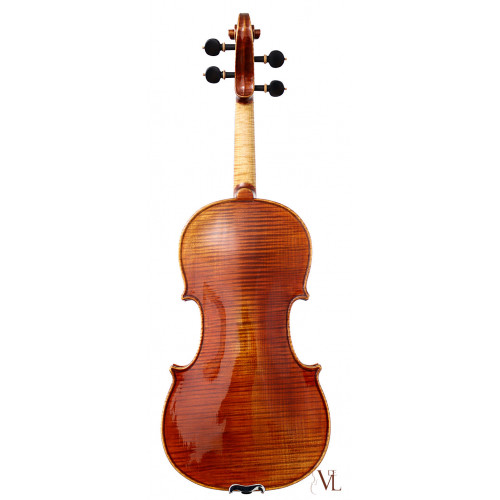
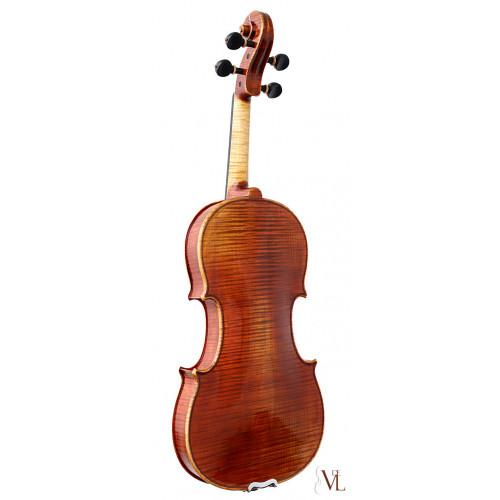


| Top | Spruce |
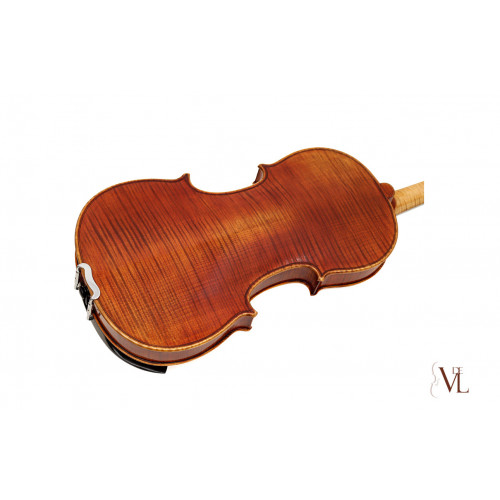
| Back and sides | Maple of Balkans |
| Varnish | Spirit |
| Size | 4/4 |
| Body length | 353 mm |
| Width upper bouts | 205 mm |
| Width lower bouts | 166 mm |
| Minimal CC width | 112.5 mm |
Available
Luthier: Filippo Anselmi
Model: Violin Antonio Stradivari "Il Cremonese" 1715
Year of construction: 2026
This Violin has the following certificates:
- Certificate of Luthier
- Certificate of Consorzio Liutai Antonio Stradivari from Cremona, Italy
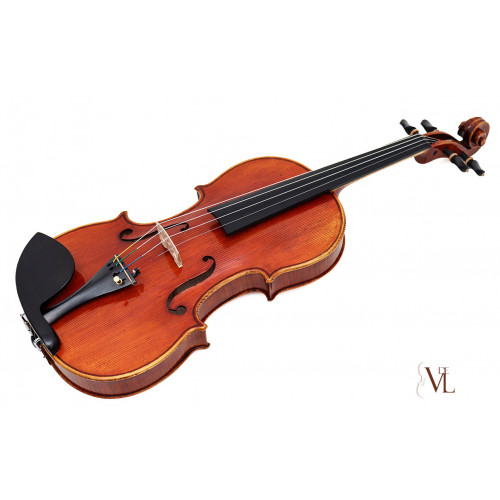
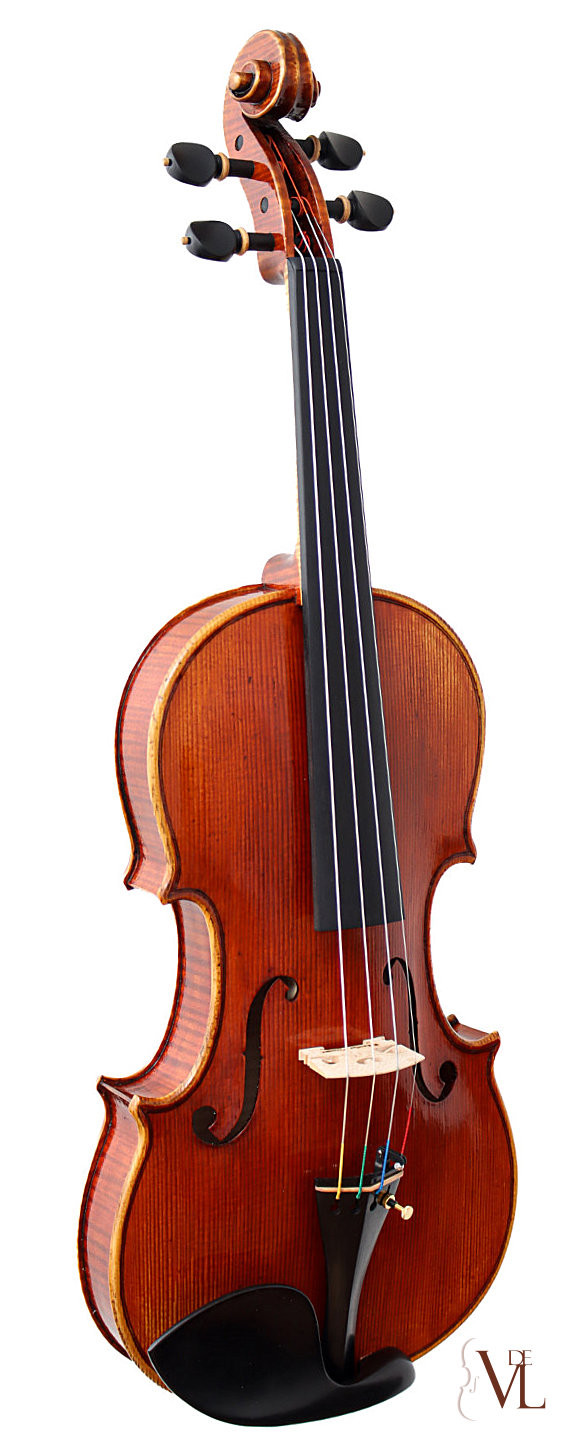
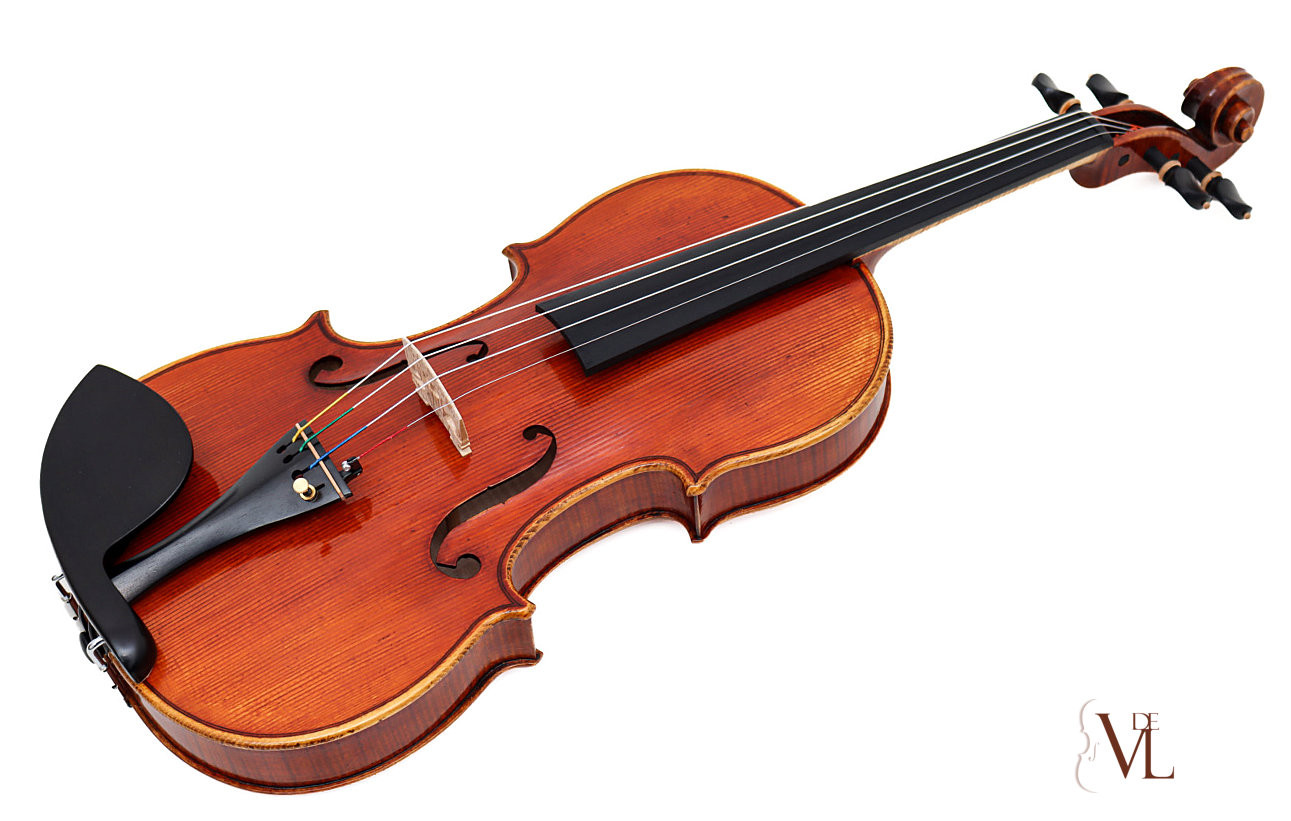
New violin by the young and promising Cremonese luthier Filippo Anselmi, crafted after Antonio Stradivari’s prestigious model known as “Il Cremonese” of 1715. This instrument elegantly combines fidelity to one of the icons of classical violin making with the fresh perspective of a new generation of master luthiers from Cremona.
A Brief History of the Original
The violin “Il Cremonese”, formerly known as the “Joachim”, was made by Antonio Stradivari in 1715, at the height of his Golden Period (approximately 1700–1720). During these years, the master reached the pinnacle of his art, creating instruments with generous proportions, a flatter and more powerful arching than that of the Amati school, and an acoustic balance that remains a benchmark to this day.
The instrument passed through the hands of the great violinist Joseph Joachim, who received it as a gift in 1889 to mark his jubilee. In December 1961, the city of Cremona acquired it and renamed it “Il Cremonese”, making it one of the city’s most cherished symbols. Today, it is housed at the Museo del Violino and represents, for many, the essence of the Stradivari sound: power, projection, brilliance and balance across all four strings.
Exceptional Craftsmanship
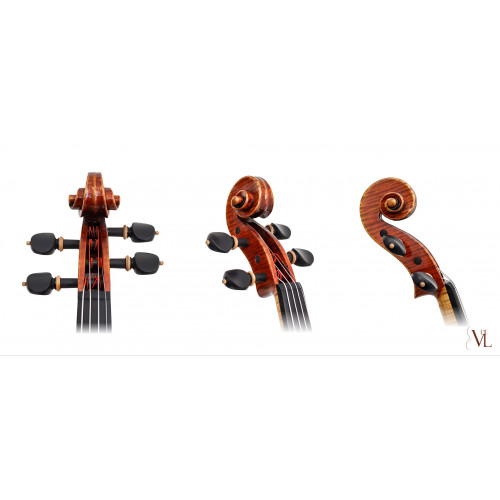
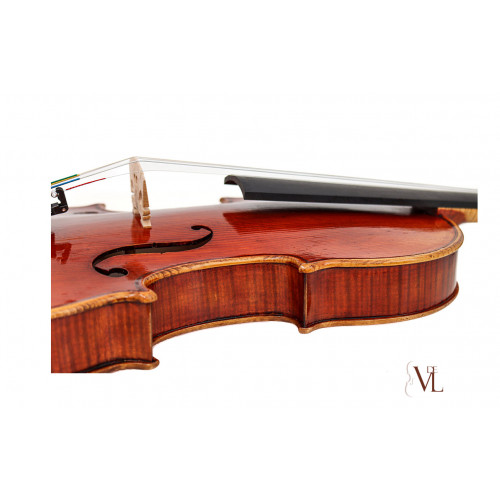
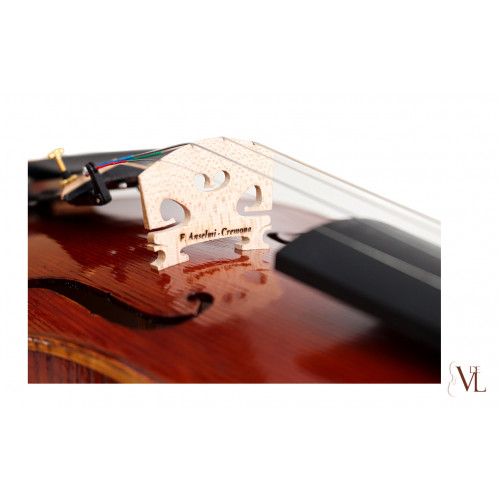
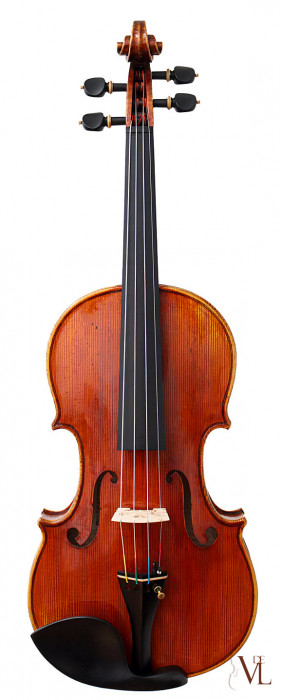
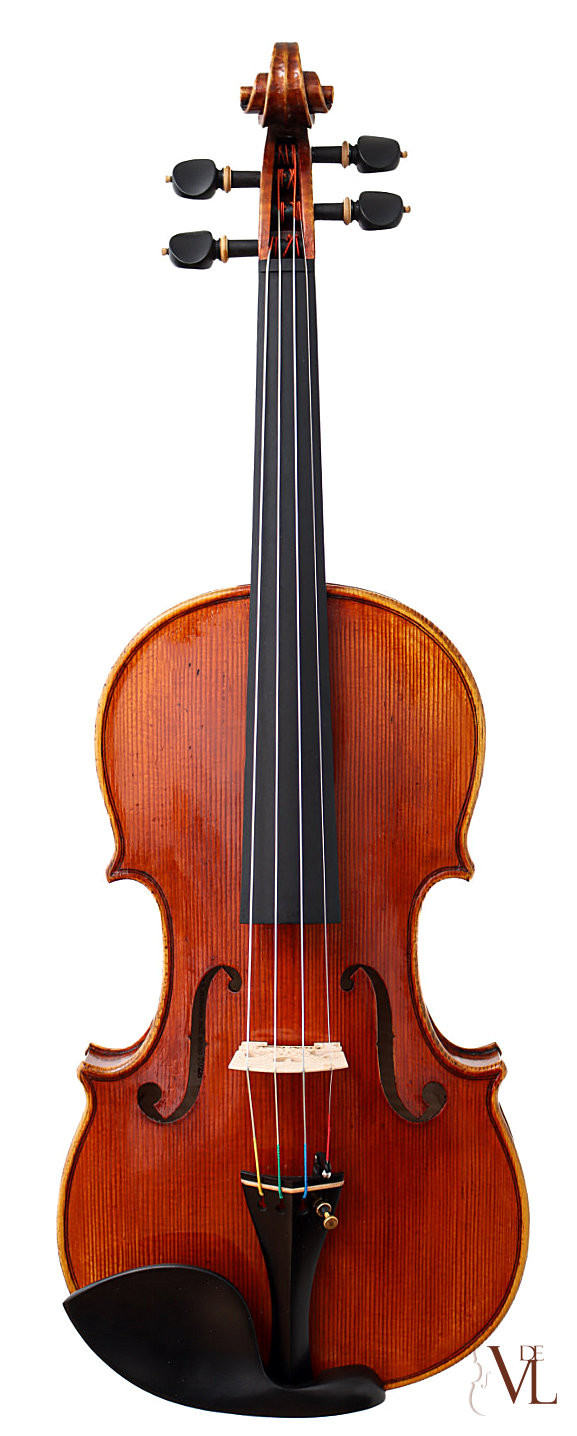
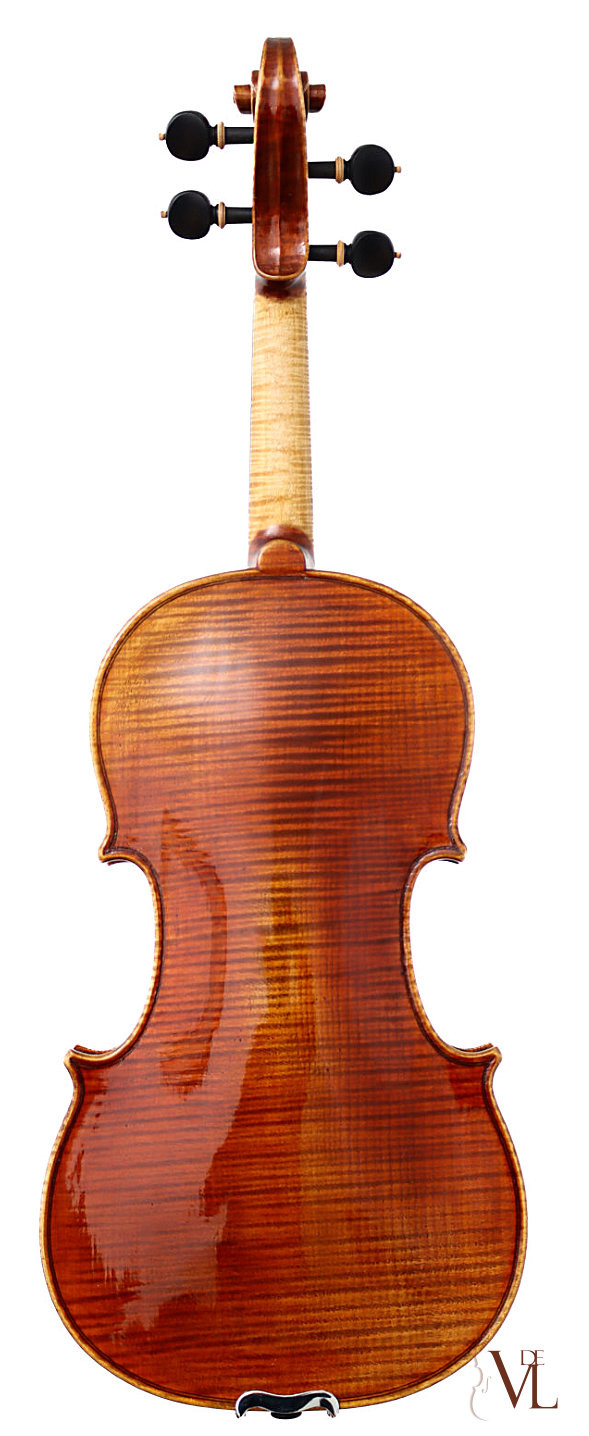
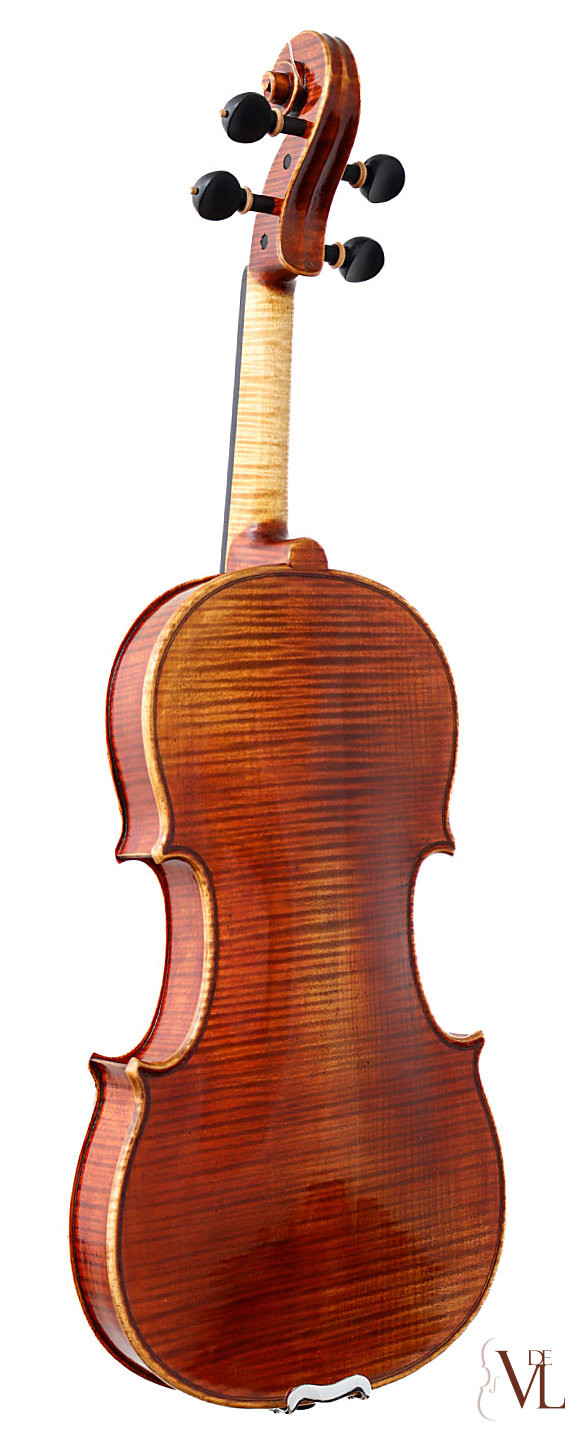
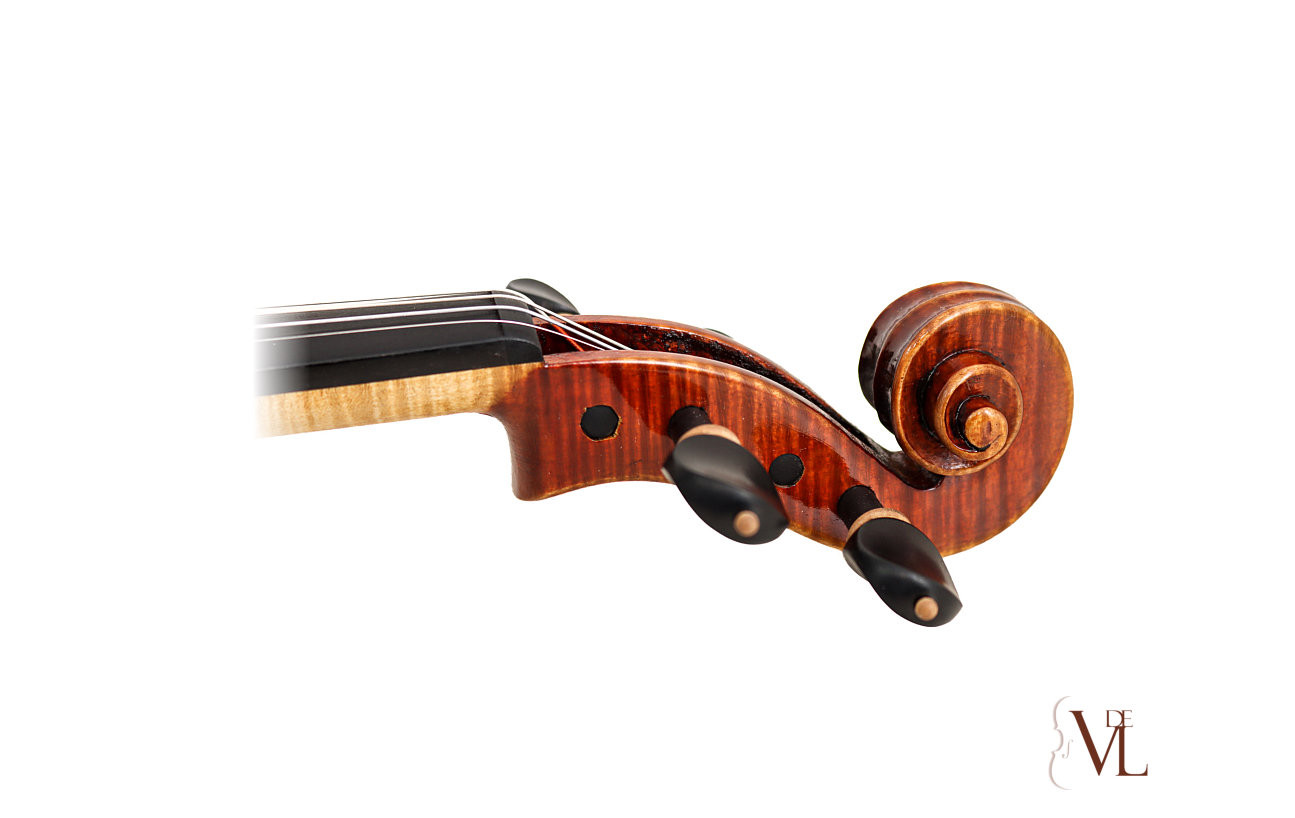
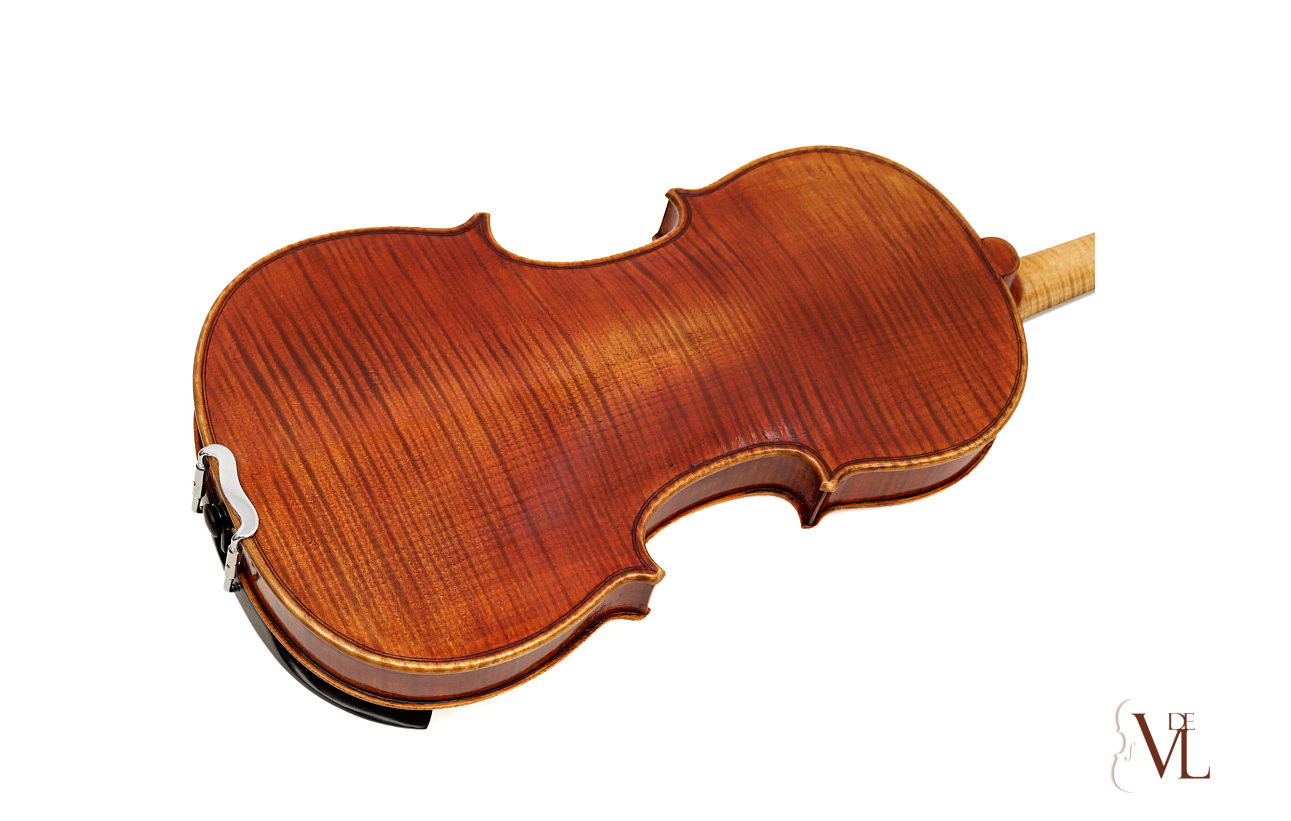
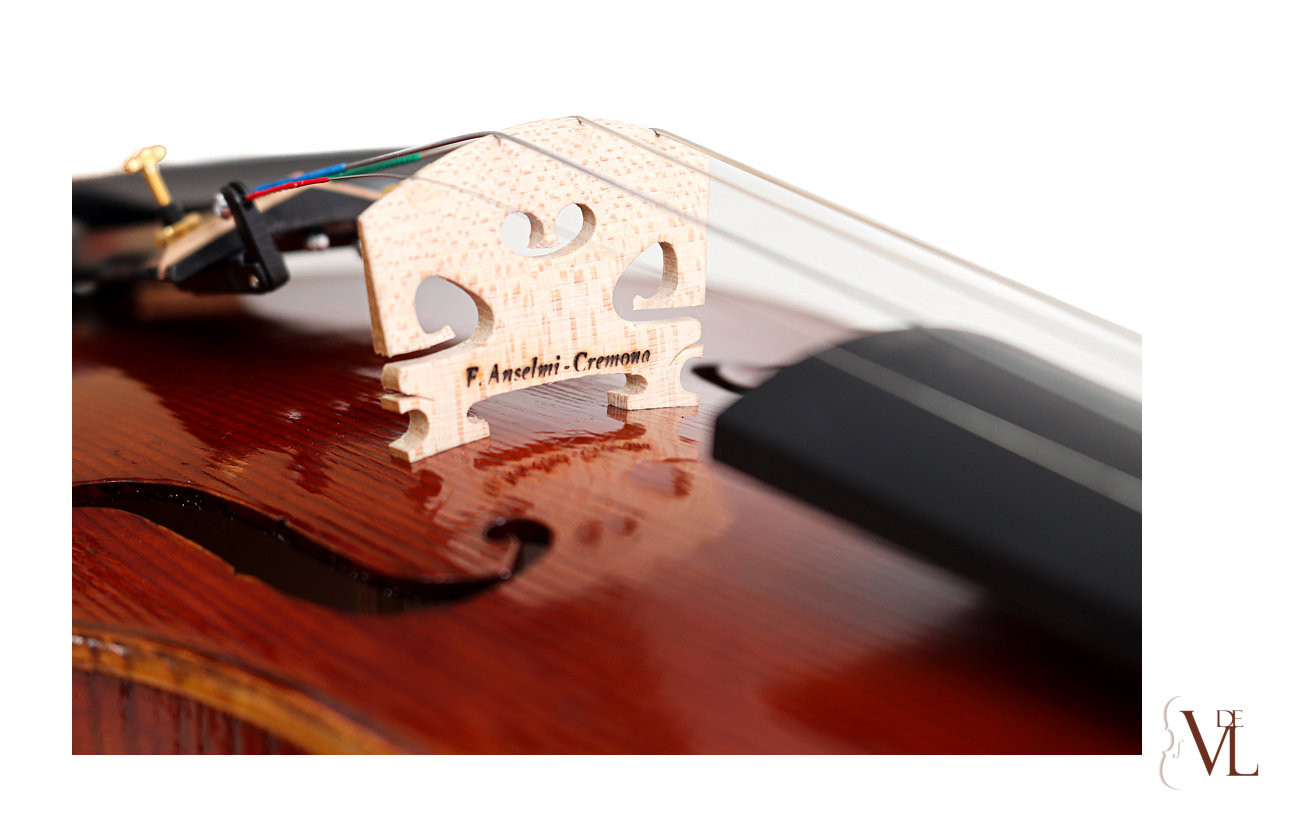
Filippo Anselmi’s violin faithfully follows the lines and proportions of the 1715 model. The top, made from high-quality Italian spruce with an even, resonant grain, and the back, crafted from a beautifully figured single piece of maple, showcase a selection of outstanding tonewoods.
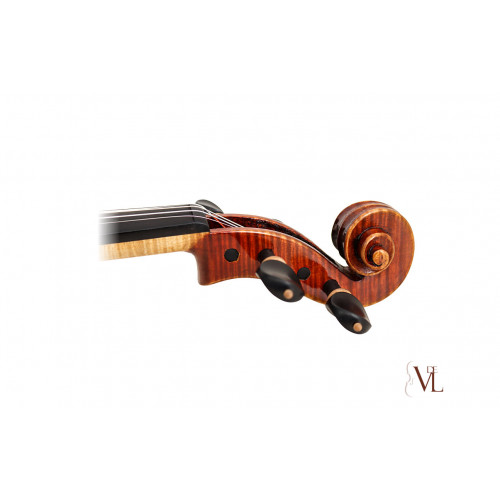
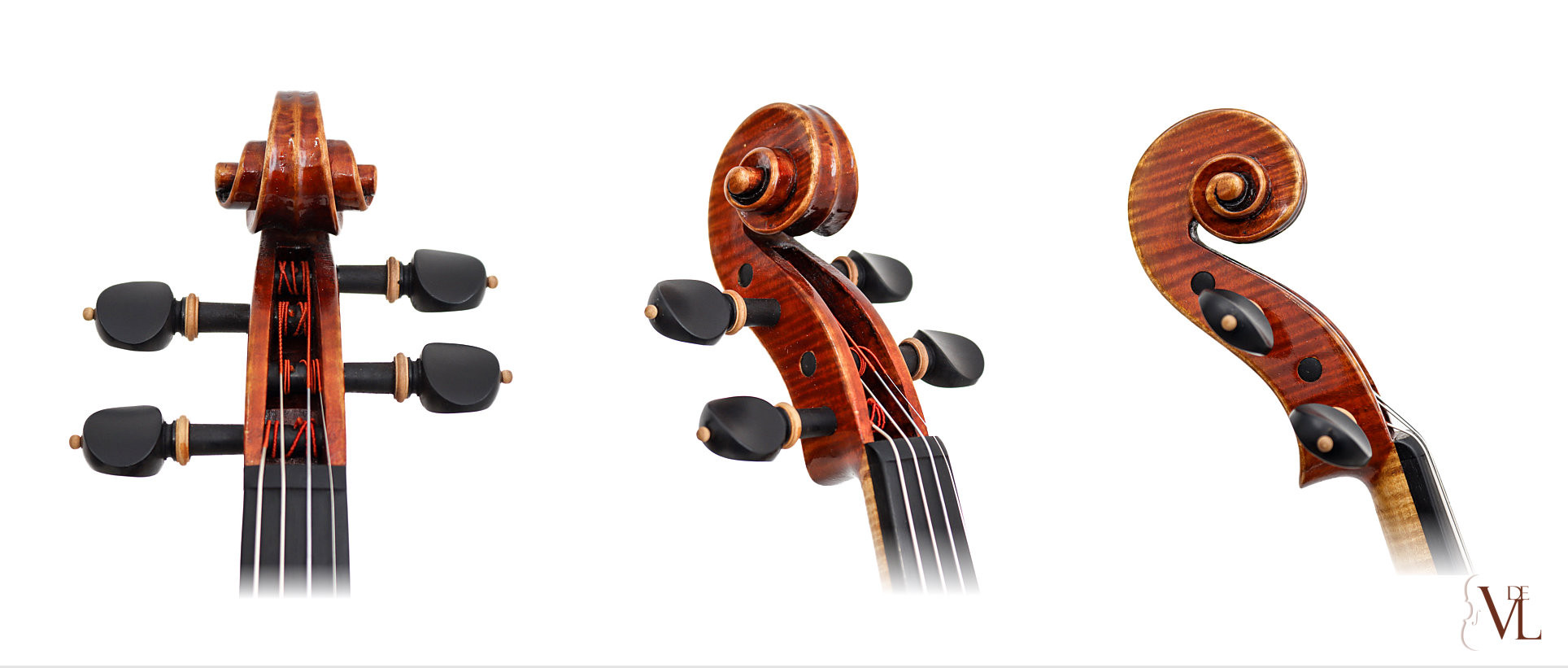
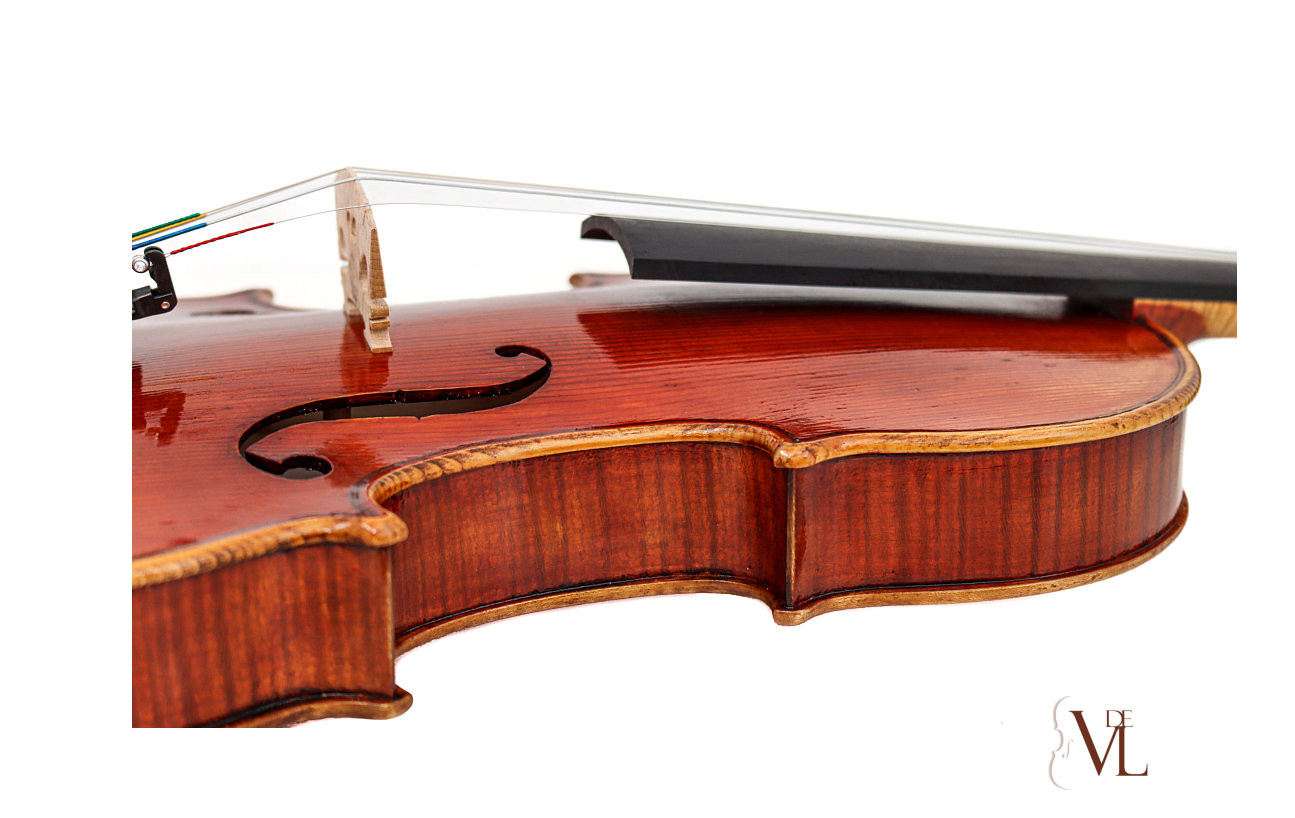
The carving of the scroll, ribs and f-holes reveals the precision and confidence of a young luthier trained in the Cremonese tradition, through the International School of Violin Making and his studies with masters such as Stefano Trabucchi.
The spirit varnish, with its warm tone and carefully controlled transparency, protects and enhances the instrument without stifling the wood’s natural vibration. Overall, the craftsmanship conveys solidity, elegance and a profound respect for the original.
Exceptional Tonal Qualities
The sound has a distinctly Stradivarian character: generous, powerful in projection and quick to respond to the bow. It offers remarkable balance across all four strings, with a brilliant, singing upper register and a bass that provides warmth and depth without sacrificing clarity.
Its wide dynamic range allows the instrument to speak effortlessly in both delicate passages and moments of greater intensity, making it particularly appealing to soloists and orchestral musicians seeking a modern violin with a classical soul.
Projection is generous, while the tonal palette is rich and versatile, combining the power and elegance that distinguish the finest instruments inspired by the 1715 “Il Cremonese”.
In short, Filippo Anselmi’s violin is more than a faithful copy: it is a living, contemporary reinterpretation of one of the most emblematic instruments in the history of violin making. An excellent opportunity for musicians seeking a high-level instrument crafted in Cremona by a young talent who is already making his mark, inspired by a model that has captivated generations of musicians and luthiers.
warranties of VIOLINES de Luthier


Violines
Violas & Cellos
Courses
Accesories
Information