


Specifications
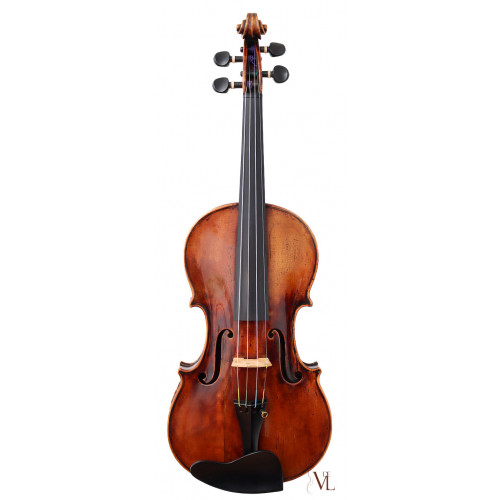
| Top | Spruce |
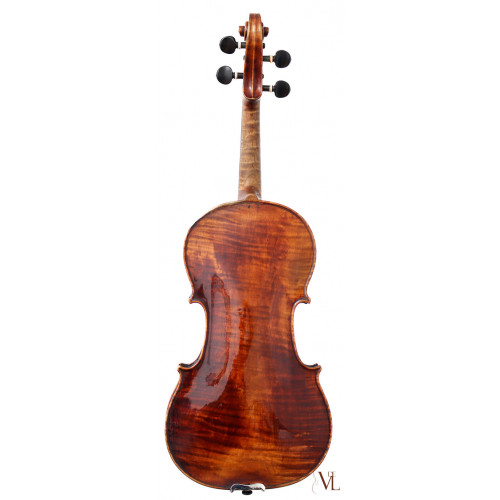
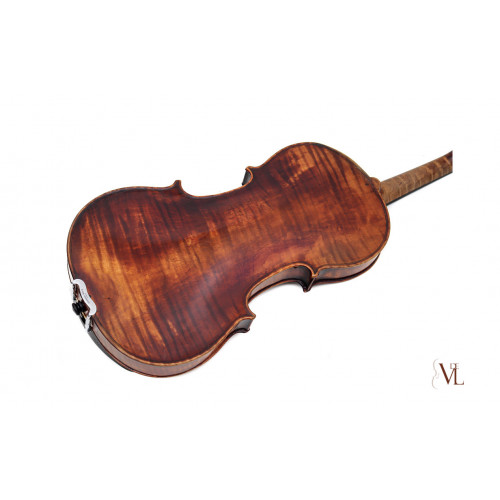
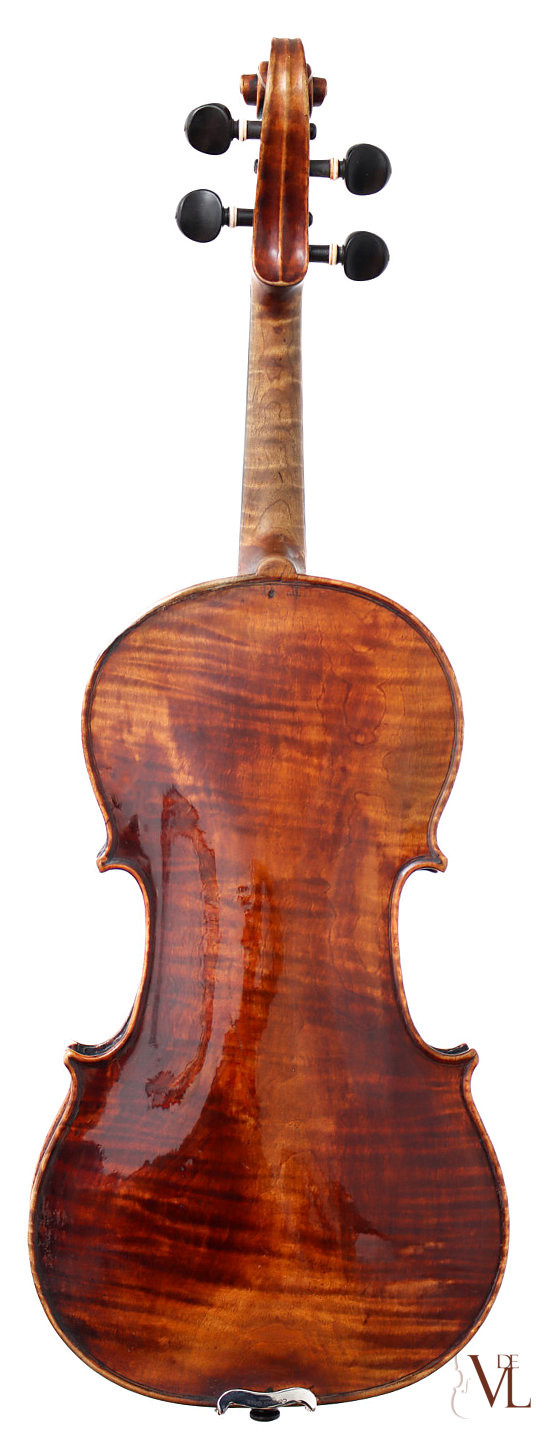
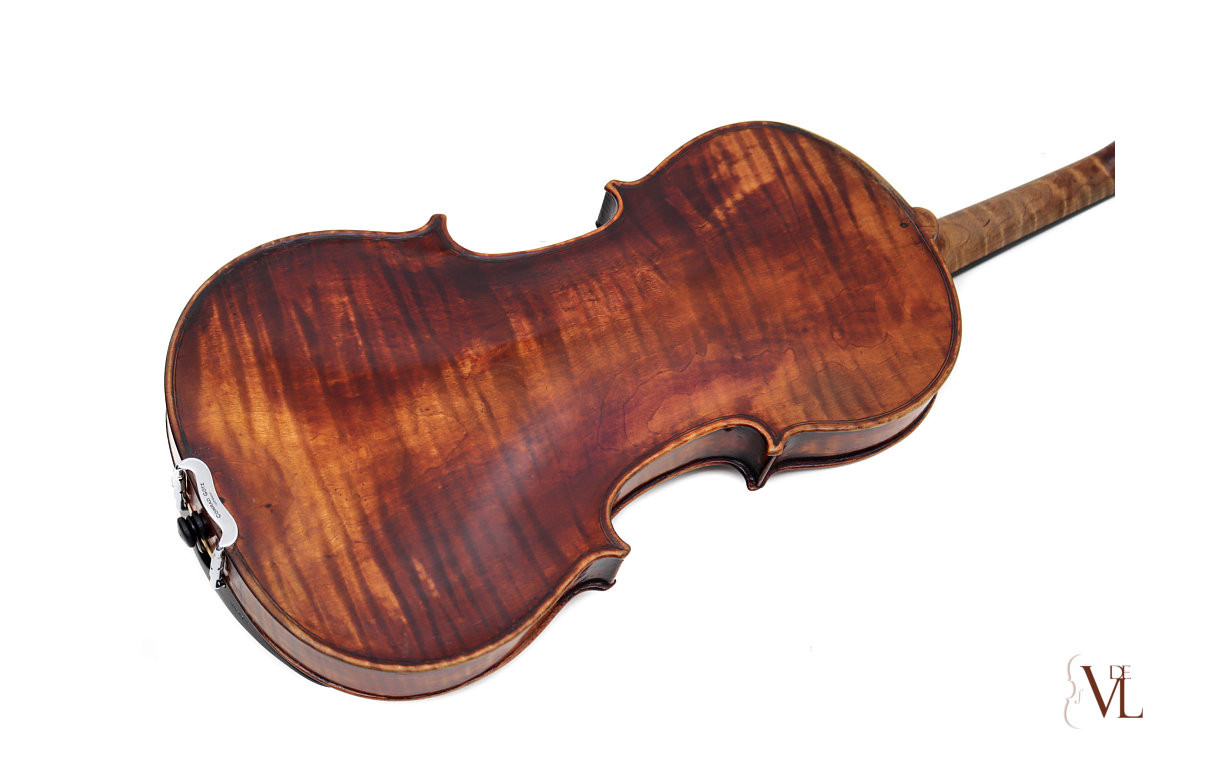
| Back and sides | Flamed maple |
| Varnish | Oil |
| Size | 4/4 |
| Body length | 360 mm |
| Width upper bouts | 167 mm |
| Width lower bouts | 208 mm |
| Minimal CC width | 117 mm |
Available
Luthier: Louis Moitessier
Year of construction: ca 1810-1815
This Violin has the following certificate:
- Jean-Jacques Rampal, Luthier of the Paris Court of Appeal
Louis Moitessier — Mirecourt, ca. 1810–1815
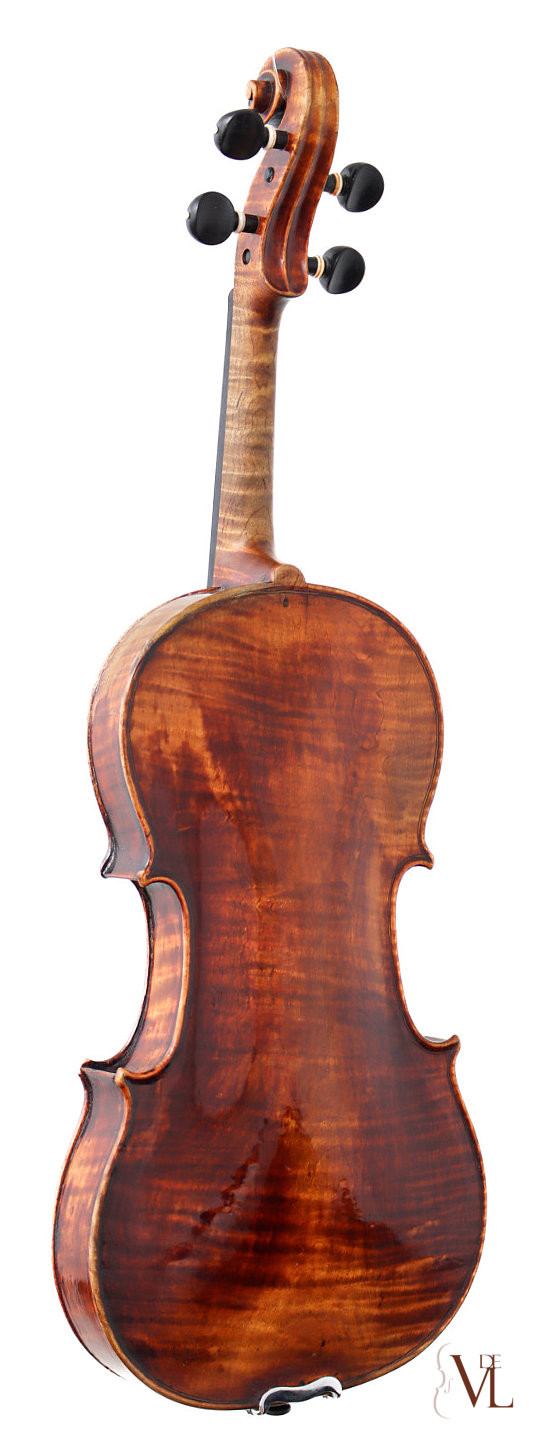
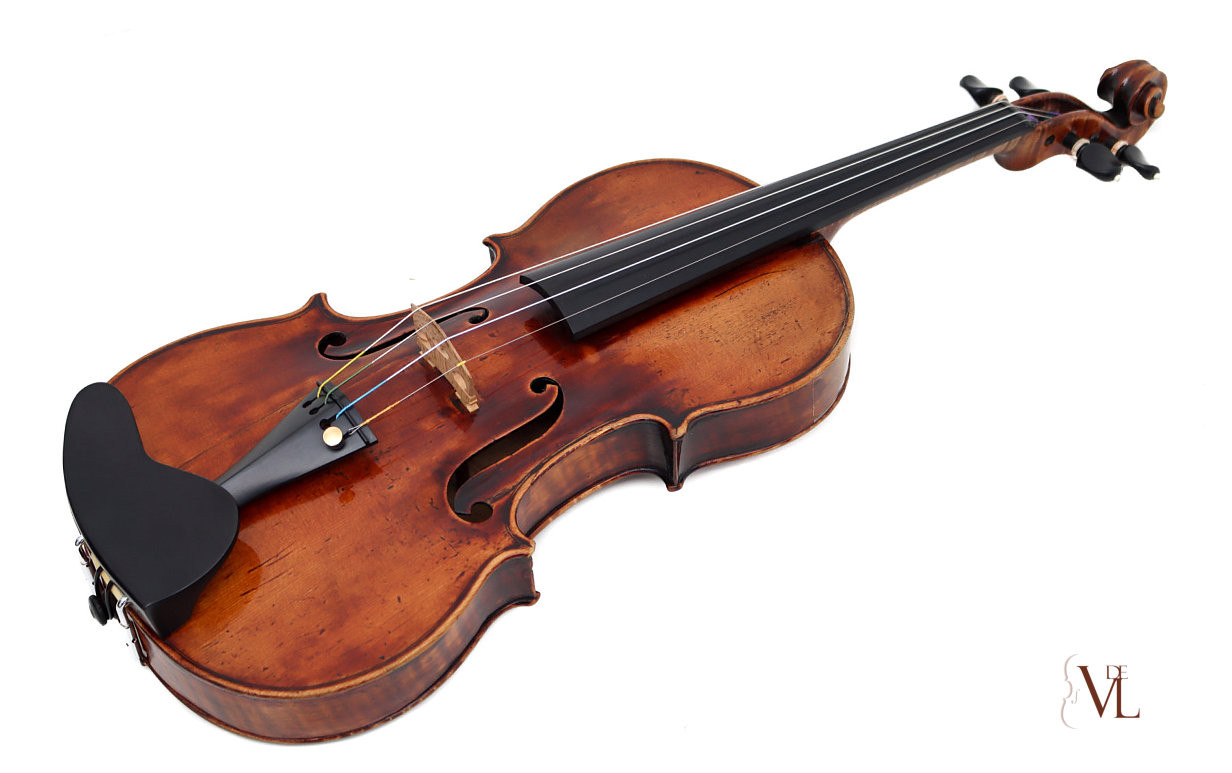
We are pleased to present an exceptional original violin made by Louis Moitessier in Mirecourt, France, between 1810 and 1815, dating from an early period in the development of the prestigious French violin-making tradition.
Mirecourt, in northeastern France, had already established itself by the 18th century as one of Europe’s leading centres of stringed-instrument making. It was in this environment that Louis Moitessier developed his work as a violin maker, during a period of significant transformation in French lutherie, characterised by the search for new models, the careful selection of tonewoods, and increasing attention to the requirements of professional musicians.
Moitessier’s instruments are distinguished by their robust construction and distinctive character, combining the French craft tradition with a highly refined approach to proportions and woodworking. His violins are particularly appreciated by collectors and players with an interest in historic instruments from Mirecourt.
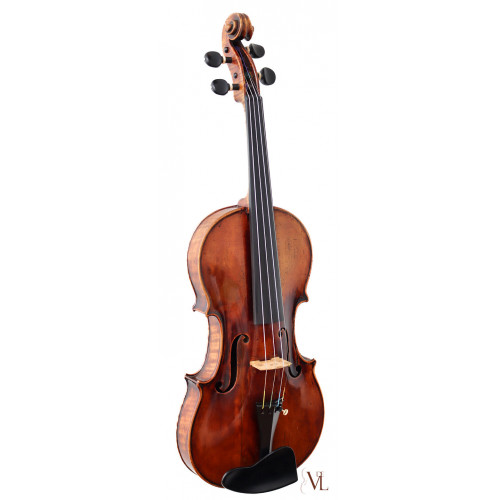
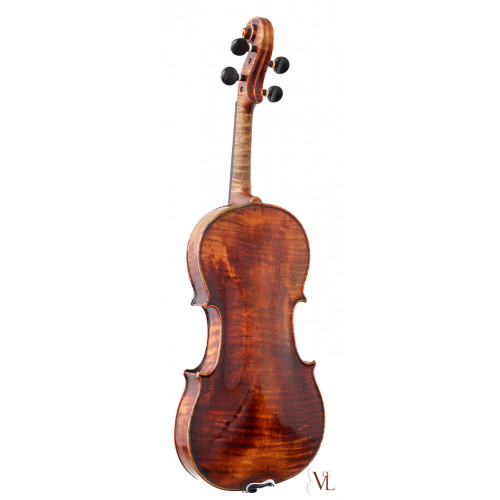
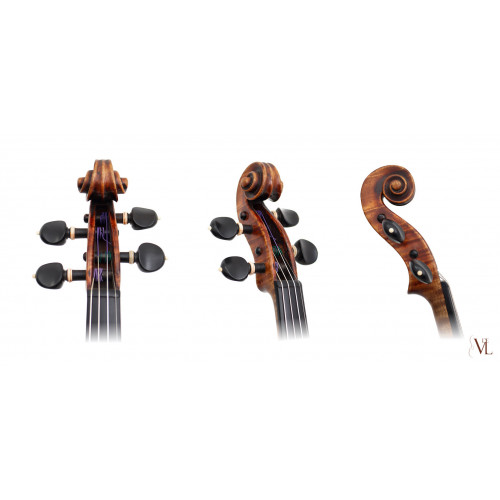
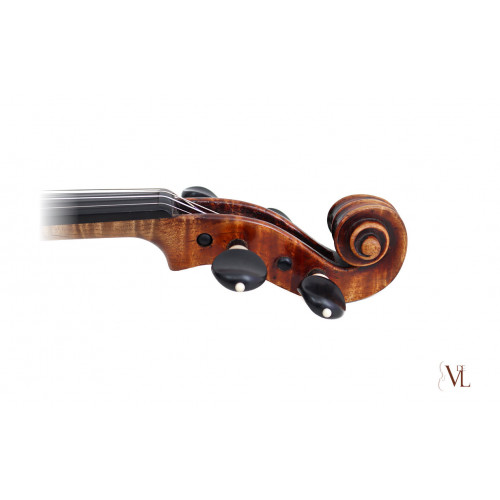
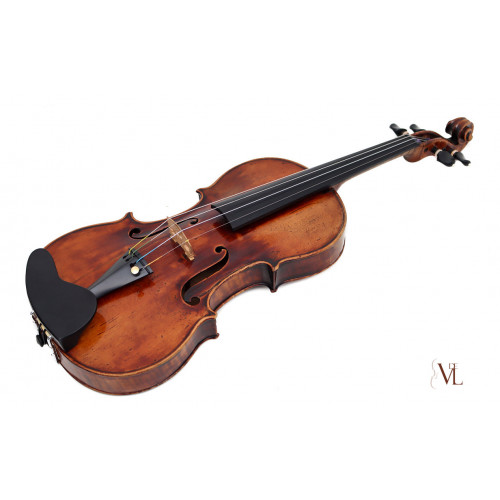
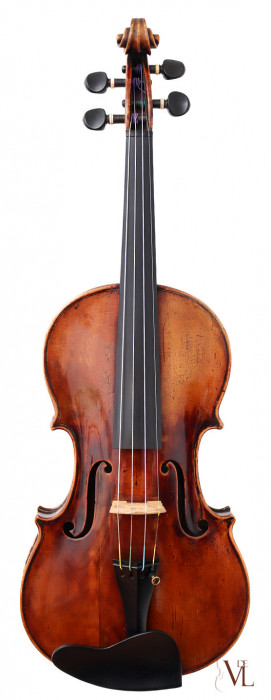
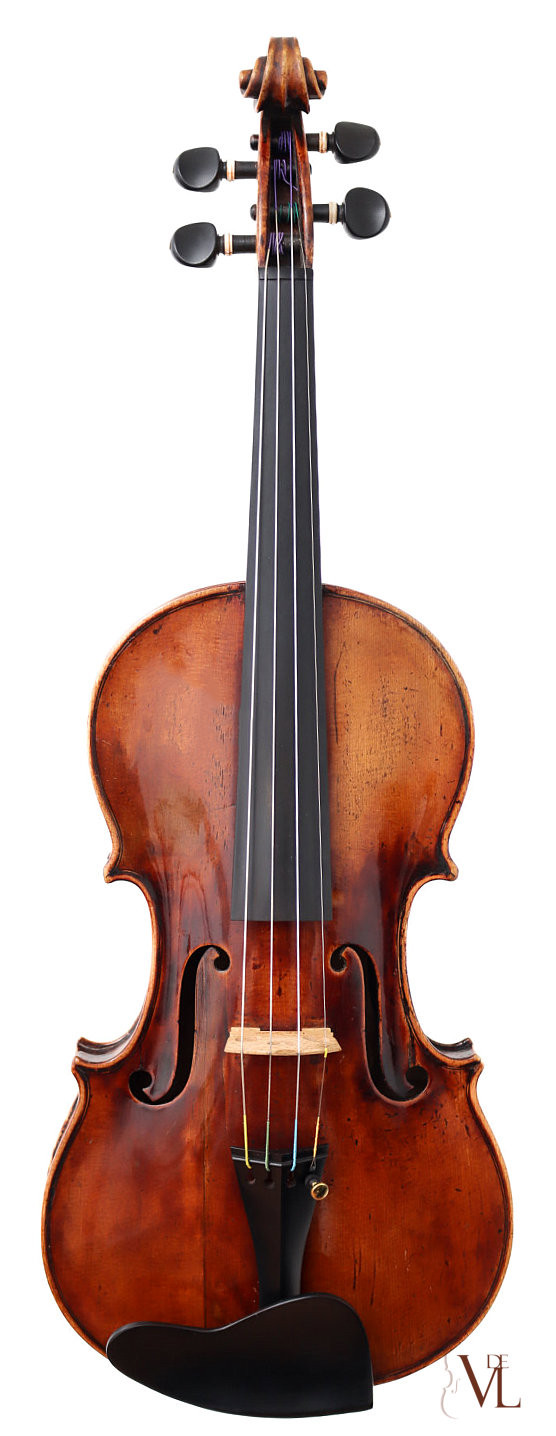
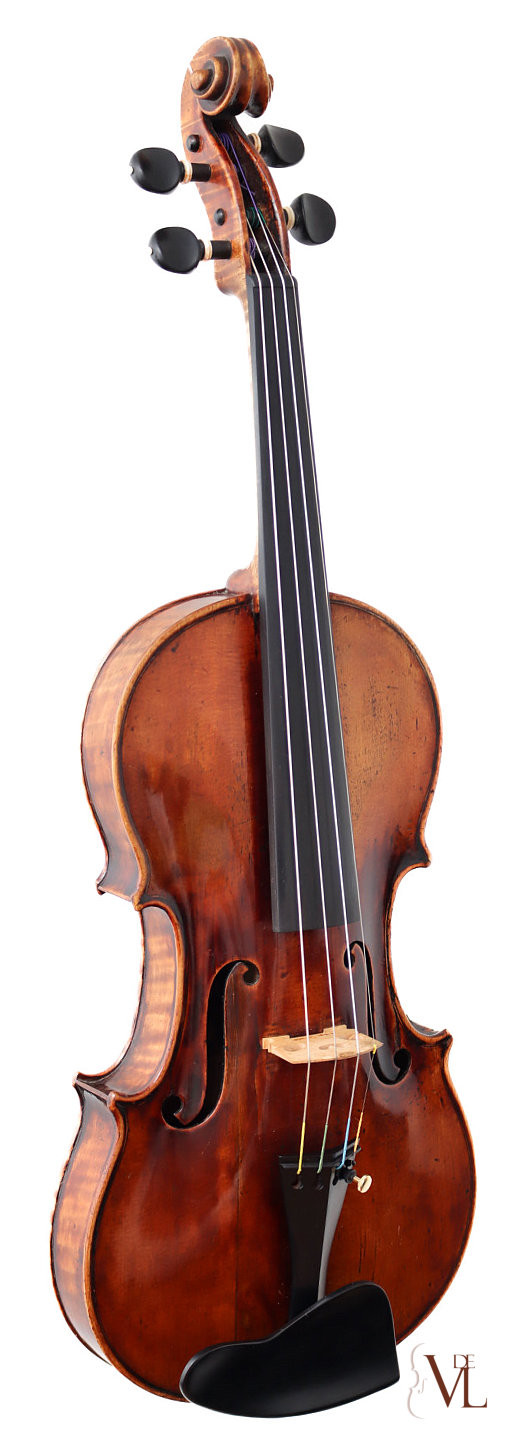
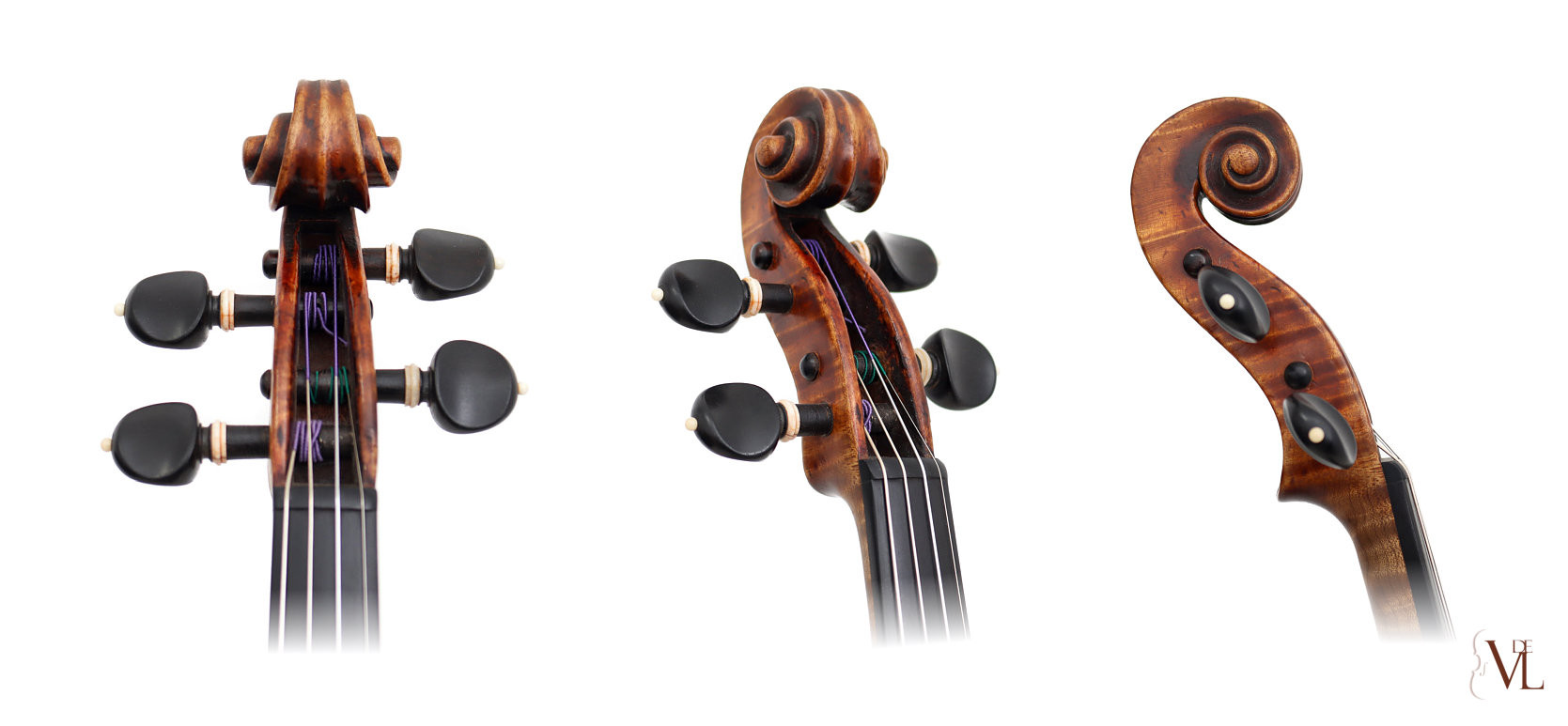
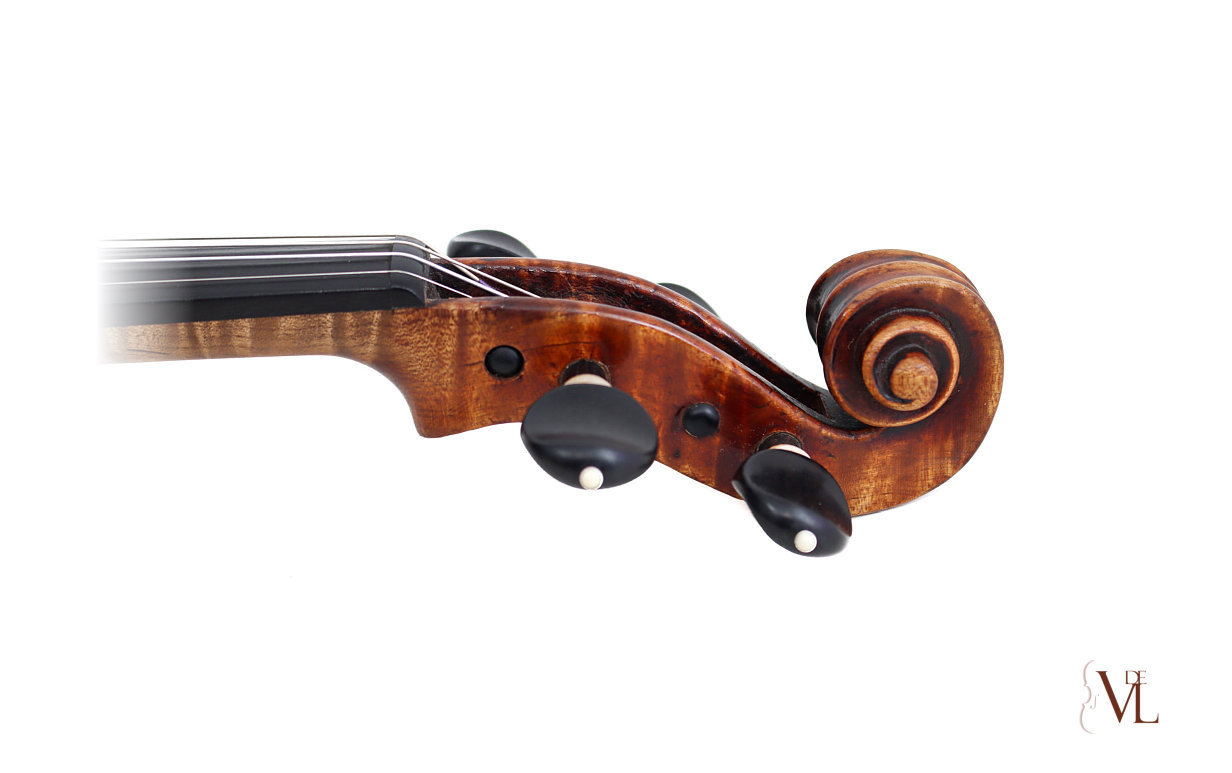
This particular example retains the elegance and character associated with an early 19th-century French violin. Its workmanship reveals a skilled hand, with carefully executed carving, f-holes and scroll, while the varnish lends the instrument a warm and deeply aged appearance, the result of more than two centuries of history.
A Voice of Character and Depth
From a tonal perspective, this violin offers a particularly appealing combination of warmth, depth and a rich harmonic spectrum. Its lower register has a full, rounded quality with a notable sense of body, while the middle strings offer a clear and well-defined voice.
In the upper register, the instrument retains brightness and projection without losing its warmth. Its response is lively and allows the player to explore a wide range of colours and dynamics, from an intimate and delicate sound to a more open and projecting voice.
One of its greatest attractions is precisely the balance between tonal nobility and ease of response. The sound has a distinctive personality, with changing colours according to dynamics and bow placement, giving the player considerable freedom to shape an expressive performance.
Ultimately, this is a historic violin with a mature and individual voice, capable of satisfying both the demands of a professional player and the discerning interest of a collector. It brings together history, craftsmanship and tonal personality, offering a remarkable testimony to French violin making in the early 19th century.
Year of construction: ca 1810-1815
This Violin has the following certificate:
- Jean-Jacques Rampal, Luthier of the Paris Court of Appeal
Louis Moitessier — Mirecourt, ca. 1810–1815
We are pleased to present an exceptional original violin made by Louis Moitessier in Mirecourt, France, between 1810 and 1815, dating from an early period in the development of the prestigious French violin-making tradition.
Mirecourt, in northeastern France, had already established itself by the 18th century as one of Europe’s leading centres of stringed-instrument making. It was in this environment that Louis Moitessier developed his work as a violin maker, during a period of significant transformation in French lutherie, characterised by the search for new models, the careful selection of tonewoods, and increasing attention to the requirements of professional musicians.
Moitessier’s instruments are distinguished by their robust construction and distinctive character, combining the French craft tradition with a highly refined approach to proportions and woodworking. His violins are particularly appreciated by collectors and players with an interest in historic instruments from Mirecourt.
This particular example retains the elegance and character associated with an early 19th-century French violin. Its workmanship reveals a skilled hand, with carefully executed carving, f-holes and scroll, while the varnish lends the instrument a warm and deeply aged appearance, the result of more than two centuries of history.
A Voice of Character and Depth
From a tonal perspective, this violin offers a particularly appealing combination of warmth, depth and a rich harmonic spectrum. Its lower register has a full, rounded quality with a notable sense of body, while the middle strings offer a clear and well-defined voice.
In the upper register, the instrument retains brightness and projection without losing its warmth. Its response is lively and allows the player to explore a wide range of colours and dynamics, from an intimate and delicate sound to a more open and projecting voice.
One of its greatest attractions is precisely the balance between tonal nobility and ease of response. The sound has a distinctive personality, with changing colours according to dynamics and bow placement, giving the player considerable freedom to shape an expressive performance.
Ultimately, this is a historic violin with a mature and individual voice, capable of satisfying both the demands of a professional player and the discerning interest of a collector. It brings together history, craftsmanship and tonal personality, offering a remarkable testimony to French violin making in the early 19th century.
warranties of VIOLINES de Luthier


Violines
Violas & Cellos
Courses
Accesories
Information